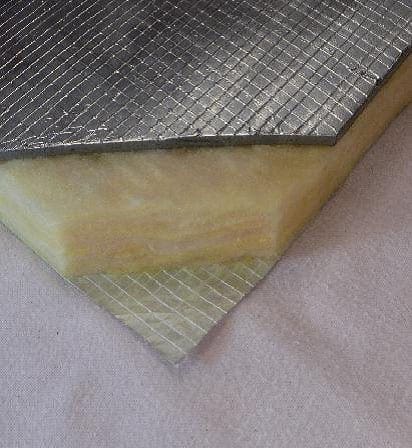
Thermal Insulation and Building Regs Part L: Why compliance matters right now
If you’re managing a commercial build, retrofit or plant upgrade, you’ll be judged on energy performance under Building Regs Part L — and thermal insulation is one of the quickest, most cost-effective ways to meet those standards. Thermal Insulation and Building Regs Part L: Meeting Energy Compliance on Commercial Projects explains the buyer problems you’re likely to face, the outcomes you can expect from the right insulation specification, and how to choose an installer who will keep your programme on track and compliant.
The problem most commercial teams face
Design teams and facilities managers are under pressure to reduce carbon emissions, cut energy bills and demonstrate compliance at handover. Common issues include under-specified insulation, thermal bridging, delays that affect testing and certification, and contractors who don’t understand commercial plant or specialised insulation materials. These problems can lead to failed air-tightness and SAP-related checks, higher running costs and costly retrofits.
You may also find Anti-Condensation Pipework Insulation: Protecting Chilled Water and AC Systems in Hampshire useful for related guidance.
How thermal insulation helps you meet Building Regs Part L
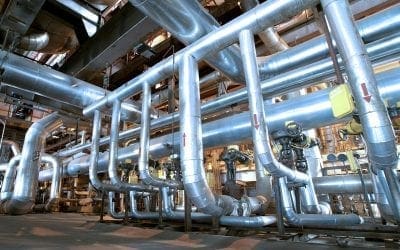
Correctly specified thermal insulation reduces heat loss from roofs, walls, plantrooms and pipework, directly improving the energy performance of a building. For Part L compliance this translates to better calculated DER (Dwelling Emission Rate) / TER (Target Emission Rate) outcomes on non-domestic assessments, lower operational energy use and stronger evidence for compliance reports. Insulation also controls condensation risk and protects mechanical services, reducing long-term maintenance costs.
Use cases and outcomes you can expect
- New-build commercial schemes: Insulation designed to Part L standards helps architects and M&E teams achieve compliance without costly design changes late in the programme.
- Refurbishments and retrofits: Upgrading plantroom and pipework insulation is often a high-return measure that improves SAP/NCM calculations and reduces energy spend.
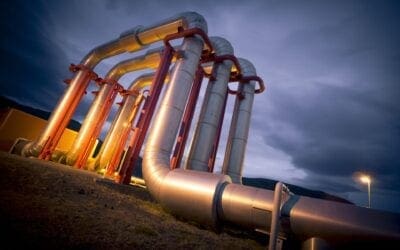
- Industrial and process plant: Specialist ceramic or high-temperature insulation protects equipment, reduces heat losses and meets safety and compliance requirements.
Choosing the right products and installer — practical buying reasons
When selecting insulation and an installer, focus on three things: material performance, installation expertise, and documented evidence for compliance.
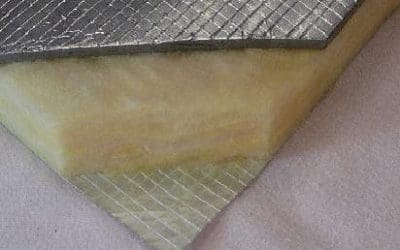
- Material performance: Look for products with proven thermal conductivity (lambda value), durability in the intended environment and appropriate fire performance for commercial settings.
- Installation expertise: Skilled installers avoid thermal bridging, ensure correct thicknesses and provide neat, long-lasting finishes. For specialist needs — for example, high-temperature ceramic insulation — choose contractors with sector experience.
- Documented evidence: Compliance-ready paperwork (thermal calculations, installer certification, product datasheets) speeds handover and reduces the risk of queries from building control.
Choosing a competent contractor is not just about price. An experienced team prevents rework, minimises downtime and delivers the compliance evidence you need to sign off a project rapidly.
Handling common objections
- “Insulation is expensive up front”: While materials and installation add capital cost, the energy savings and reduced maintenance usually pay back quickly. Weigh capital cost against lifetime running costs and potential regulatory penalties for non-compliance.
- “We’ll specify it later”: Leaving insulation to the end risks clashes with other trades, higher labour costs and failed first-time inspections. Early engagement avoids these problems.
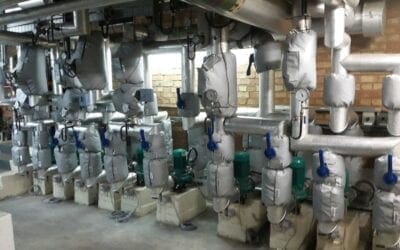
- “Not sure which product suits our plant”: Contractors with a product-neutral approach can recommend solutions (pipework jackets, ceramic blankets, thermal covers) that balance thermal performance, access needs and longevity.
You may also find Pipework Insulation for Data Centres and Warehouses in Reading and the Thames Valley useful for related guidance.
Why choose a specialist contractor — and what to ask them
A specialist thermal insulation contractor brings practical experience across sectors, from offices and hotels to industrial sites and data centres. When speaking to suppliers, ask for:
- Examples of similar commercial projects and references.
- Product datasheets, lambda values and fire rating information.
- Details of how they will prevent thermal bridging and allow for maintenance access.
- Turnkey services including surveys, supply, installation and compliance paperwork.
If you’d like a closer look at relevant services, see our acoustic and ceramic insulation pages for examples of specialist installations and high-temperature solutions that often form part of Part L compliance packages. For pipework and site-specific work, our guides on anti-condensation pipework insulation and thermal insulation for industrial sites explain typical approaches and savings.
Next steps — turning compliance into a business advantage
Make thermal insulation part of your compliance strategy from day one. That approach reduces risk at handover, lowers operational costs and supports your sustainability goals. If you’re ready to explore options, request a site survey and a clear, itemised proposal that shows material choices, U-values achieved and the compliance documentation you will receive. A short survey often reveals straightforward measures that deliver immediate energy savings and push your Part L calculations in the right direction.
Conclusion
Thermal Insulation and Building Regs Part L: Meeting Energy Compliance on Commercial Projects isn’t just theory — it’s practical, measurable improvement in energy performance and running costs. The right specification and installer will turn a regulatory requirement into a long-term saving and a selling point for occupiers. To get a tailored recommendation and a no-nonsense quote for your project, contact our team and arrange a survey — a small investment up front saves time, money and compliance headaches later.
You may also find Thermal Insulation for Industrial Sites Across Hampshire: Cutting Heat Loss and Energy Costs useful for related guidance.
Frequently asked questions
What specific insulation measures help meet Part L for commercial buildings?
Typical measures include increased roof and wall insulation U-values, properly insulated plantrooms, insulated pipework and ductwork, and elimination of thermal bridging around service penetrations. Materials should have suitable lambda values and fire performance for the building type.
How does insulation affect compliance paperwork for Building Regs Part L?
Insulation affects calculated energy performance (DER/TER or equivalent non-domestic assessments). Installers should provide product datasheets, installation records, U-value calculations and certification that feed directly into compliance reports submitted to building control.
Can retrofitting insulation on existing commercial buildings achieve Part L targets?
Yes. Retrofitting targeted measures such as improved pipework insulation, cavity or external wall upgrades and roof insulation can significantly improve performance. A survey will identify the highest-return interventions to meet Part L criteria.
How do I choose between standard and specialised insulation (for example ceramic)?
Choose based on service temperature, exposure, fire requirements and access needs. Standard mineral wool or PIR may suit typical HVAC and building fabric work; ceramic and other high-temperature products are required for process equipment and extreme heat. Ask suppliers for case studies and datasheets to confirm suitability.