Why replacing old or damaged pipe lagging matters
If you manage a commercial building, ignoring failing pipe lagging is a false economy. Replacing old or damaged pipe lagging restores thermal performance, reduces condensation and mould risk, supports building safety and often delivers quick energy savings. This guide explains the common problems, realistic outcomes and why a professional refurbishment is usually the right route for building owners and facilities managers.
You may also find Anti-Condensation Pipework Insulation: Protecting Chilled Water and AC Systems in Hampshire useful for related guidance.
How to recognise when pipe lagging needs replacing
Not all worn lagging needs an immediate full replacement, but several clear signs show you should act. Inspect for:
- Physical damage: torn, compressed or missing sections exposing the pipe.
- Wet or sagging insulation: water ingress from leaks or condensation reduces insulating value and causes odour or mould.
- Surface temperature changes: warmer or colder pipes than expected, indicating heat loss or poor insulation.
- Age and degraded materials: old mineral wool or foam that has become brittle, crushed or contaminated.
- Regulation concerns: the lagging can be non-compliant with current fire or energy regulations.
Spotting these early makes a targeted refurbishment cheaper and less disruptive than an emergency replacement after a system failure.
Replacing Old or Damaged Pipe Lagging: choosing the right approach
When planning a replacement, consider three practical choices: spot repair, phased replacement or full system refurbishment. Your decision depends on pipe type, location and long-term goals.
1. Spot repair
Best for isolated damage in non-critical areas. A localised repair uses matching materials and careful sealing to restore performance quickly and cheaply. However, spot repairs can be less durable if the surrounding lagging is near end-of-life.
2. Phased replacement
Suitable when multiple sections show wear but system downtime must be minimal. Replacing pipes in planned stages spreads cost and disruption while upgrading to modern materials where needed.
3. Full system refurbishment
Recommended when lagging is broadly degraded, or when you want to upgrade to better thermal, acoustic or fire-rated solutions. A full refurbishment allows specification improvements that cut energy use, reduce maintenance and support compliance with building regulations.
Materials, benefits and common buyer concerns
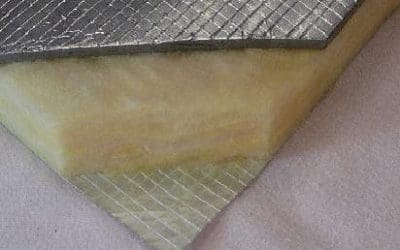
Modern lagging materials offer improved performance and durability. Key options include elastomeric foam for anti-condensation, mineral wool with cladding for high-temperature pipes, and bespoke ceramic insulation where extreme heat or removable access covers are needed.
- Benefits: lower heat loss, reduced risk of condensation and mould, improved fire performance, and longer service life.
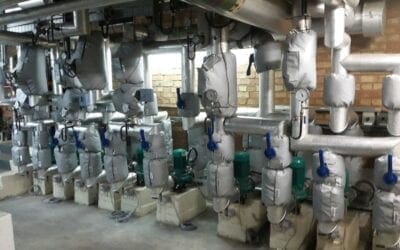
- Operational advantages: easier maintenance, better access solutions (removable covers), and improved acoustic control where noise is an issue.
- Cost arguments: energy savings often pay back material and labour costs within a few years; targeted replacements reduce immediate spend while delivering measurable benefits.
Common objections—and how to address them:
- “It’s expensive.” Explain lifecycle costing: initial spend vs savings on energy and reduced maintenance. Phased works can spread cost.
- “We can’t shut systems down.” Experienced contractors plan works to avoid long shutdowns, using phased or isolated repairs and working out-of-hours when necessary.
- “Will new materials last?” Choose proven materials with warranties and ask for references from similar commercial projects.
- “Is it compliant?” Use suppliers who specify products and installation practices that meet current building regulations and fire safety standards.
You may also find Pipework Insulation for Data Centres and Warehouses in Reading and the Thames Valley useful for related guidance.
Practical steps for a successful replacement project
Follow a clear process to keep costs down and ensure predictable outcomes:
- Survey and prioritise – start with a technical inspection to identify critical runs, moisture-damaged areas and vulnerable systems (chilled water, steam, hot water).
- Specify materials – choose lagging by pipe temperature and location: elastomeric for cold services, mineral wool/cladding for hot services, and ceramic solutions where space and access demand removable covers.
- Plan access and downtime – coordinate with building users and maintenance teams. Plan phased works or off-hour shifts where needed.
- Choose an experienced installer – look for contractors who understand energy, regulatory and fire considerations and who can provide warranties and aftercare.
- Test and document – thermal imaging or temperature checks after installation, plus an updated maintenance record, help prove the value and guide future inspections.
Need inspiration? Our related pages cover acoustic insulation, ceramic solutions and whole-building thermal upgrades to help choose the right specification: see our Acoustic Insulation Services and Ceramic Insulation pages for examples of specialist products that pair well with improved pipe lagging.
Conclusion: make the right choice for long-term performance
Replacing old or damaged pipe lagging is a straightforward way to protect assets, cut energy costs and reduce maintenance headaches. Whether you opt for spot repairs, phased replacement or a full refurbishment, specifying the right materials and an experienced installer makes the difference between a short-term fix and a durable improvement.
If you’d like support assessing your building or a quote for phased or full refurbishment, our team can survey your pipework, recommend materials and provide a clear programme and cost plan. For more on complementary insulation options, explore our post on Thermal Insulation and Building Regs Part L to see how upgraded lagging contributes to compliance and energy savings.
Ready to reduce heat loss and protect your pipework? Contact us for a no-obligation survey and tailored refurbishment proposal.
You may also find Thermal Insulation for Industrial Sites Across Hampshire: Cutting Heat Loss and Energy Costs useful for related guidance.
Frequently asked questions
How long does new pipe lagging typically last?
Lifespan depends on material and environment. Elastomeric foam used on cold services often lasts 10–20 years in dry, protected locations. Mineral wool with proper cladding can last 15–25 years on hot services. Regular inspections and removing moisture sources extend life. Choosing reputable materials and professional installation also improves longevity.
Can pipe lagging be replaced without shutting down plant systems?
In many cases yes. Contractors can perform phased replacements, work on isolated sections, or schedule out-of-hours installations to avoid full system shutdowns. For critical assets like chilled water or steam, a detailed plan and experienced team will minimise disruption while ensuring safe working conditions.
Will replacing lagging reduce energy bills?
Yes, replacing degraded lagging reduces heat loss on hot systems and prevents unwanted heat gain on chilled systems. Savings depend on pipe lengths, temperatures and existing condition, but building owners often see measurable reductions in energy use and quicker payback when large or poorly insulated runs are refurbished.
Do I need special materials for fire safety or high-temperature pipes?
Yes. High-temperature systems require materials rated for the operating temperature and often need protective cladding; fire-prone areas may need fire-rated lagging or additional barriers. Specify products compliant with current building regulations and ask installers for evidence of suitable fire performance and certification.