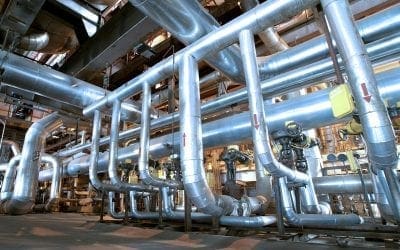
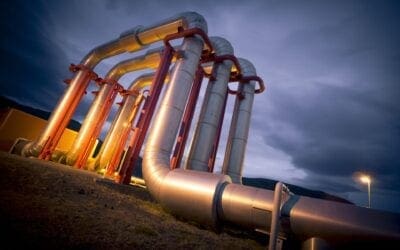
Hot pipework and exposed valves are a constant danger on industrial sites. Personnel Protection: Insulating Hot Pipework and Valves to Prevent Burns outlines practical, cost-effective steps you can take now to reduce burn injuries, meet duty-of-care obligations and keep operations running. Insulating hot surfaces is not just good practice — it’s a simple, measurable way to protect staff, contractors and visitors while reducing downtime and insurance risk.
You may also find Pipework Insulation Bournemouth: Cut Energy Bills, Protect Systems and Reduce Risk useful for related guidance.
Why insulating hot pipework and valves matters for personnel protection
Workers who carry out routine checks, maintenance or plant adjustments often need to get close to steam lines, hot oil pipes and process valves. Unlagged or poorly insulated components can reach temperatures that cause severe burns in seconds. Insulation reduces surface temperatures, lowers the risk of accidental contact, and means safer working corridors and access routes.
Beyond immediate safety, insulating hot surfaces helps you comply with legal duties such as those under the Health and Safety at Work Act and Management of Health and Safety at Work Regulations. Demonstrating you’ve taken reasonable steps to control foreseeable risks also supports insurance claims, safety audits and contractor management.
Common problems on site and how insulation solves them
- Unprotected valves and flanges: Small components are easy to miss but often the hottest. Tailored removable covers and jackets fit complex shapes and keep access straightforward.
- Inconsistent lagging: Patchy or deteriorated lagging results in hotspots. Replacing or upgrading to durable ceramic insulation or thermal covers gives uniform protection.
- Maintenance access conflicts: Fixed insulation can impede work. Removable solutions provide fast access, so teams won’t bypass safety to save time.
- Aging materials: Old insulation can absorb moisture or lose thermal performance. Modern materials maintain low surface temperatures and long service life.
Personnel Protection: Insulating Hot Pipework and Valves — practical solutions
Choose insulation that matches the operational environment and the access needs of your team. Common, high-performance options include:
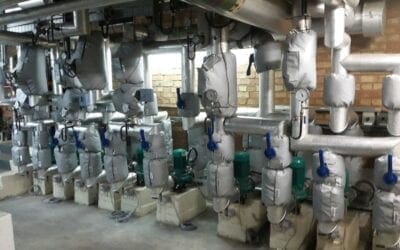
- Removable thermal covers: Ideal for valves, pumps and flanges. They allow maintenance without cutting or reworking insulation and are fast to remove and refit.
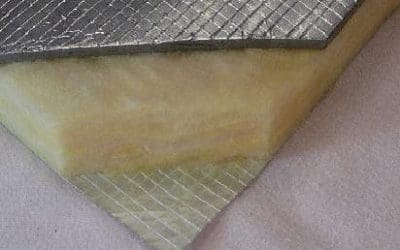
- Ceramic insulation blankets: Suited to very high temperatures and transient exposures. Ceramic blankets provide excellent thermal resistance and long-term durability.
- Pre-formed pipe lagging: For long runs where access is not frequently required. These give consistent surface temperatures and energy savings.
- Custom-fitted jackets: For irregular shapes and instruments; they combine a neat finish with reliable protection.
For example, replacing damaged lagging with ceramic thermal covers around steam valves reduces surface temperatures enough to prevent contact burns while keeping the valve operable during emergency interventions.
You may also find Pipework Insulation Reading: Save Energy, Reduce Risk and Cut Costs useful for related guidance.
Benefits and outcomes for operations and safety teams
- Reduced injury risk: Lower surface temperatures mean fewer accidents, fewer lost shifts and a safer workplace culture.
- Better compliance: A documented insulation programme supports risk assessments and audits.
- Operational efficiency: Removable systems make routine maintenance quicker and safer — teams don’t need to choose between speed and safety.
- Lower long-term costs: Durable insulation reduces heat loss, energy bills and the need for frequent repairs to burnt or corroded equipment.
Buyer considerations: choosing the right insulation and supplier
When deciding, site managers typically ask: Will the insulation withstand our temperatures? How often will it need removal? Can it be safely secured? Will it interfere with statutory inspections? A professional insulation supplier should answer these questions clearly and offer:
- On-site surveys to identify hotspots and prioritise critical areas
- Samples and demonstrations of removable covers and ceramic blankets
- Clear maintenance and removal instructions so teams can re-fit covers correctly
- Assured materials suitable for your temperature range and exposure
If you’re concerned about downtime during installation, ask for a staged plan: high-risk valves first, followed by pipe runs during planned shutdowns. Many installers work around shift patterns to keep production moving.
Why choose professional removable thermal covers and ceramic insulation?
Professionally designed covers combine safety with convenience. They are sized and secured to avoid slipping, include heat-resistant fastenings and use insulating cores that maintain low external temperatures. Ceramic products are particularly useful where peak temperatures exceed polymer limits or where fire resistance is a priority.
Choosing a supplier that understands industrial access and compliance — and that can recommend a mix of removable and permanent solutions — means fewer surprises and predictable outcomes. A reputable installer will also provide documentation for your safety records and asset management system.
Next steps: practical buying reasons and addressing objections
Common objections relate to cost, perceived disruption and uncertainty over returns. Here’s how to counter them:
- Cost vs. risk: The cost of a fitted removable cover is typically small compared with a burn injury, lost production and higher insurance premiums. Ask your supplier for a simple ROI estimate based on reduced incident rates and lower heat loss.
- Disruption: Removable covers are designed for quick install and minimal downtime. Staged implementation keeps critical processes running.
- Fit and effectiveness: Request on-site trials or sample covers for complex valves and joints — professional teams will adapt designs until fit and access are correct.
If you want to see how these products perform in comparable installations, suppliers can point to case studies where insulating valves and pipework reduced incidents and improved compliance.
Conclusion — protect people, simplify maintenance, reduce liability
Personnel Protection: Insulating Hot Pipework and Valves to Prevent Burns is a straightforward, high-impact safety measure. By choosing the right combination of removable thermal covers, ceramic insulation and pre-formed lagging, you protect your workforce, simplify maintenance and strengthen compliance records. For practical advice tailored to industrial sites, consider a site survey that identifies the highest-risk components and a staged plan that matches safety needs with operational constraints. To discuss options and arrange an inspection, contact the team via the Contact page — they can recommend the best mix of ceramic insulation blankets, removable covers and pipework lagging for your plant.
You may also find Trace Heating Installation: Keep Pipes and Systems Running in Winter useful for related guidance.
Frequently asked questions
How much does insulating hot valves and pipework typically cost?
Costs vary by size, temperature range and whether you choose removable covers or permanent lagging. Small valve covers and removable jackets are comparatively inexpensive; an installer can survey your site and provide a staged quotation that prioritises high-risk items to manage budget impact.
Will insulation get in the way of regular maintenance?
No — removable thermal covers and jackets are specifically designed for maintenance access. They are quick to remove and refit, so teams can inspect and work on valves without damaging insulation or causing long downtime.
Are ceramic insulation blankets suitable for all industrial temperatures?
Ceramic blankets perform well at very high temperatures and where fire resistance is needed. However, the right product depends on peak surface temperatures and environmental factors. A supplier will recommend materials rated for your specific conditions.
How does insulating pipework help with health and safety compliance?
Insulation reduces surface temperatures, lowering the risk of burns and helping you demonstrate risk control measures under health and safety legislation. Proper installation and documentation also support audits, contractor management and insurance enquiries.