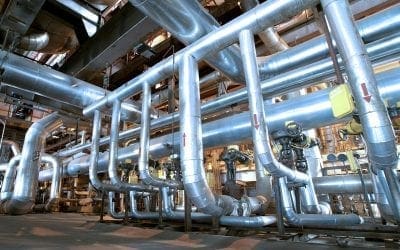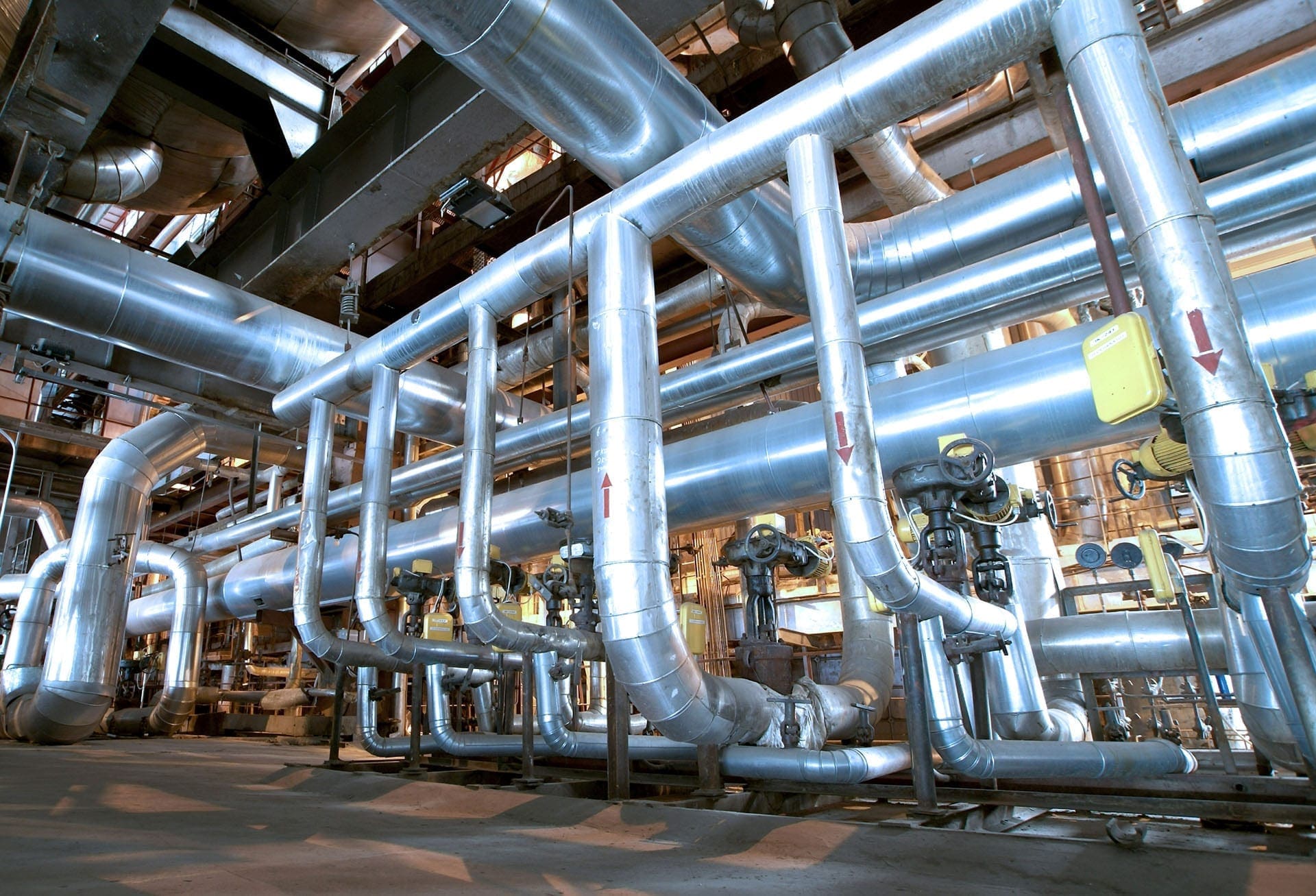
Managing energy costs and avoiding water damage are daily headaches for facilities managers. Ductwork and air conditioning insulation for commercial buildings is a practical, high-impact solution: it cuts energy losses, controls condensation that causes mould and corrosion, and reduces maintenance downtime. This guide explains when insulation pays for itself, how to choose the right materials, and what to expect from a professional installation.
You may also find Replacing Old or Damaged Pipe Lagging: A Refurbishment Guide for Commercial Building Owners useful for related guidance.
Ductwork and Air Conditioning Insulation for Commercial Buildings: why it matters
Commercial HVAC systems are major energy consumers. Without proper insulation, conditioned air loses heat or cold as it travels, making fans and compressors work harder. Poorly insulated ductwork also creates cold surfaces that attract moisture in humid environments — leading to dripping, damp ceilings and corrosion in metal ducts. Investing in the right insulation prevents these problems and improves occupant comfort and system reliability.
Key benefits that deliver measurable returns
- Lower energy bills — Insulation reduces heat gain or loss so chillers and boilers cycle less frequently. That directly cuts electricity and fuel costs.
- Reduced condensation risk — Anti-condensation insulation with a suitable vapour barrier stops surface sweating on ducts and AC units, avoiding water damage and potential mould growth.
- Longer equipment life and less maintenance — Stable operating conditions mean fewer breakdowns, less corrosion and extended service intervals.
- Improved compliance — Meets building regulations and guidance on thermal performance where required for commercial refurbishments.
- Quieter operation — Insulation can also dampen noise from ductwork, creating a more pleasant working environment.
How to choose the right insulation for your ducts and AC plant
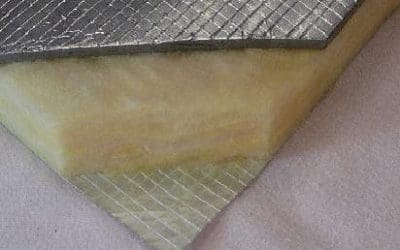
Every site is different. Choose materials and methods based on system temperature, humidity levels, access for maintenance and fire safety requirements. Typical options include closed-cell elastomeric foam for chilled services (excellent for condensation control), mineral wool with a sealed vapour barrier for higher temperatures, and pre-insulated ductboards for new installations. A professional survey will specify thickness, vapour control layers and surface finishes that balance performance with durability in high-traffic plant rooms.
You may also find Anti-Condensation Pipework Insulation: Protecting Chilled Water and AC Systems in Hampshire useful for related guidance.
Common buyer concerns — answered
- “Is insulation worth the cost?” — Payback periods are typically short in commercial settings because energy savings add up quickly; plus you avoid costly repairs from condensation-related damage. Case studies from similar projects often show returns within one to three years.
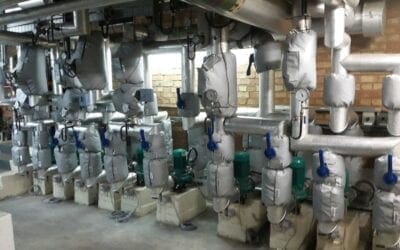
- “Will insulation affect maintenance access?” — Good installers plan access points and removable sections for valves, sensors and junctions. Expect strategically located service panels and labelled insulation covers where access is necessary.
- “How do you prevent mould and odours?” — Using a complete vapour control layer and eliminating gaps is essential. For systems that operate near dew point, elastomeric foam with taped joints is an effective solution to prevent moisture ingress and subsequent microbial growth.
- “What about fire safety?” — Insulation materials and finishes must meet relevant fire performance standards. Trusted suppliers will specify tested products and provide certification — this is non-negotiable in commercial buildings.
What a professional installation looks like and next steps
A competent installer begins with a site survey, documenting duct sizes, system temperatures and humidity profiles, and identifying areas prone to condensation. The installation plan should include material specifications, thickness calculations and details for vapour control and mechanical fastenings. Work is typically staged to minimise disruption to building occupants and maintenance windows are agreed in advance.
To make a confident purchase, ask your supplier for a written specification, product datasheets and evidence of past work. If you manage multiple sites, look for installers who can deliver consistent standards across locations and offer planned maintenance packages to preserve insulation performance over time.
For more detail on complementary solutions, see our page on Acoustic Insulation Services for noise-sensitive areas, or read practical guides such as Anti-Condensation Pipework Insulation which covers similar condensation challenges in pipework.
Choosing the right ductwork and air conditioning insulation for commercial buildings protects your asset, reduces operating costs and prevents avoidable damage. If you’re planning a refurbishment, new build or want a survey of existing systems, request a site assessment from a specialist who will provide a clear specification, cost estimate and expected savings — making the decision straightforward.
You may also find Pipework Insulation for Data Centres and Warehouses in Reading and the Thames Valley useful for related guidance.
Frequently asked questions
How does insulation prevent condensation in ductwork?
Insulation reduces the temperature difference between the duct surface and surrounding air, preventing the surface from falling below the dew point. When combined with a continuous vapour control layer and properly sealed joints, it stops moisture ingress and surface sweating that causes dripping and mould.
Which insulation material is best for chilled air ducts?
Closed-cell elastomeric foam is often preferred for chilled air ducts because it provides excellent thermal resistance, a built-in vapour barrier and resistance to water absorption. The exact thickness depends on operating temperatures and humidity; a professional survey will recommend the correct specification.
Will insulating ducts save enough energy to justify the cost?
Yes — in commercial buildings, energy savings and avoided maintenance from condensation damage usually result in short payback periods, commonly within one to three years. Savings vary by system size, operating hours and local energy costs, so a site-specific estimate is recommended.
Can insulation be added to existing ductwork without major disruption?
Yes. Experienced installers plan works to minimise disruption, using staged installations, out-of-hours scheduling and removable access panels where needed. Simple retrofits on exposed ducts are straightforward; more complex systems may need a short shutdown or phased approach.