
Why Choose Aptiva for Ceramic Insulation
When it comes to industrial operations, temperature control is crucial.
To prevent energy loss, ceramic insulation has become a good choice for companies looking to watch the temperature and cut costs.
Ceramic insulation is a material that is designed to trap heat, making it an effective solution for temperature control. Unlike traditional insulation materials, such as fibreglass, which can become brittle and break down over time, ceramic insulation is very durable and can withstand harsh conditions without losing its insulating properties.
One of the most significant benefits of ceramic insulation is its ability to reduce energy costs. By creating a barrier between your equipment and the outside environment, ceramic insulation can reduce energy loss and improve fibreglass efficiency. This means that you can save money on your energy bills while also reducing your environmental impact.
But the benefits of ceramic insulation go far beyond energy savings. Ceramic insulation can also help protect equipment from extreme temperatures, prevent frost damage and freezing, and even improve workplace safety by acting as a protective barrier around hot equipment. This can be important in industries where workers are in close proximity to hot equipment, such as the petrochemical or manufacturing industries.

Investing in ceramic insulation isn’t just a smart financial decision – it’s also an investment in the longevity and safety of your equipment and employees. By reducing energy loss, ceramic insulation can help preserve equipment, saving you money on repairs in the long run. Additionally, by creating a barrier between your equipment and the outside environment, ceramic insulation can help prevent frost damage and freezing, which can be a major problem in colder climates.
Whether you’re in the manufacturing, petrochemical, or energy industry, ceramic insulation can help you save money and reduce your environmental impact. By keeping your energy bills low, ceramic insulation is necessary for any business looking to stay efficient. With its durability, efficiency, and versatility, ceramic insulation is the perfect solution for all your temperature control needs.
Here are five benefits of ceramic insulation:
- Energy efficiency
One of the most significant benefits of ceramic insulation is that it can reduce energy loss and improve energy efficiency. By creating a barrier between your equipment and the outside environment, ceramic insulation can help prevent heat from escaping, which can help reduce energy costs and improve your bottom line.
- Improved equipment lifespan
Because ceramic insulation helps regulate temperature and protect equipment from extreme temperatures, it can also help extend the lifespan of your machinery. By investing in ceramic insulation, you can protect your equipment and save money on repairs and replacements in the long run.
- Frost damage prevention
In colder climates, frost damage and freezing can be major problems for industrial businesses. By using ceramic insulation to regulate temperatures and prevent heat loss, you can help prevent frost damage and keep your equipment running smoothly all year round.
- Workplace safety
Ceramic insulation can also help improve workplace safety by acting as a protective barrier around hot equipment. This can be particularly important in industries where workers are in close proximity to hot equipment, as it can help prevent burns and other injuries.
- Environmental impact
By reducing energy loss and improving energy efficiency, ceramic insulation can also help reduce your environmental impact. This can be an important consideration for businesses looking to reduce their carbon footprint and promote sustainable practices.

How Our Ceramic Insulation Services Work
When it comes to keeping your industrial operations running smoothly, temperature control is key.
But how can you regulate temperature without driving up your energy costs? The answer lies in ceramic insulation. Ceramic insulation is a thermal material that is designed to trap heat and prevent it from escaping, making it a good solution for monitoring temperatures. By using its thermal properties to create a barrier between the equipment and the environment, ceramic insulation can help improve energy efficiency, reduce energy costs, and extend the lifespan of your equipment.
What is Ceramic Insulation?
Ceramic insulation is made up of layers of ceramic fibre material that are designed to trap heat and prevent it from escaping. This material is efficient at insulating against high temperatures, making it a very popular choice. Unlike traditional insulation materials, such as fibreglass, which can break down over time, ceramic insulation is durable and can withstand harsh conditions without losing its insulating properties.
How Does Ceramic Insulation Work?
Ceramic insulation works by using its thermal properties to create a barrier between the equipment and the environment. When heat is generated, ceramic insulation traps it inside, preventing it from escaping and reducing energy loss. This helps regulate temperatures and maintain energy efficiency.
There are two main types of ceramic insulation: fibrous and microporous. Fibrous ceramic insulation is made up of long, thin fibres that are woven together to create a dense, heat-resistant material. Microporous ceramic insulation, on the other hand, is made up of tiny ceramic particles that are compressed together to create a lightweight, highly efficient material.
Both types of ceramic insulation work by trapping heat inside and preventing it from escaping, but they do so in slightly different ways. Fibrous ceramic insulation works by creating a dense, heat-resistant barrier that prevents heat from escaping. Microporous ceramic insulation, on the other hand, works by using its unique structure to trap heat in tiny pockets, which helps prevent energy loss and improve energy efficiency.
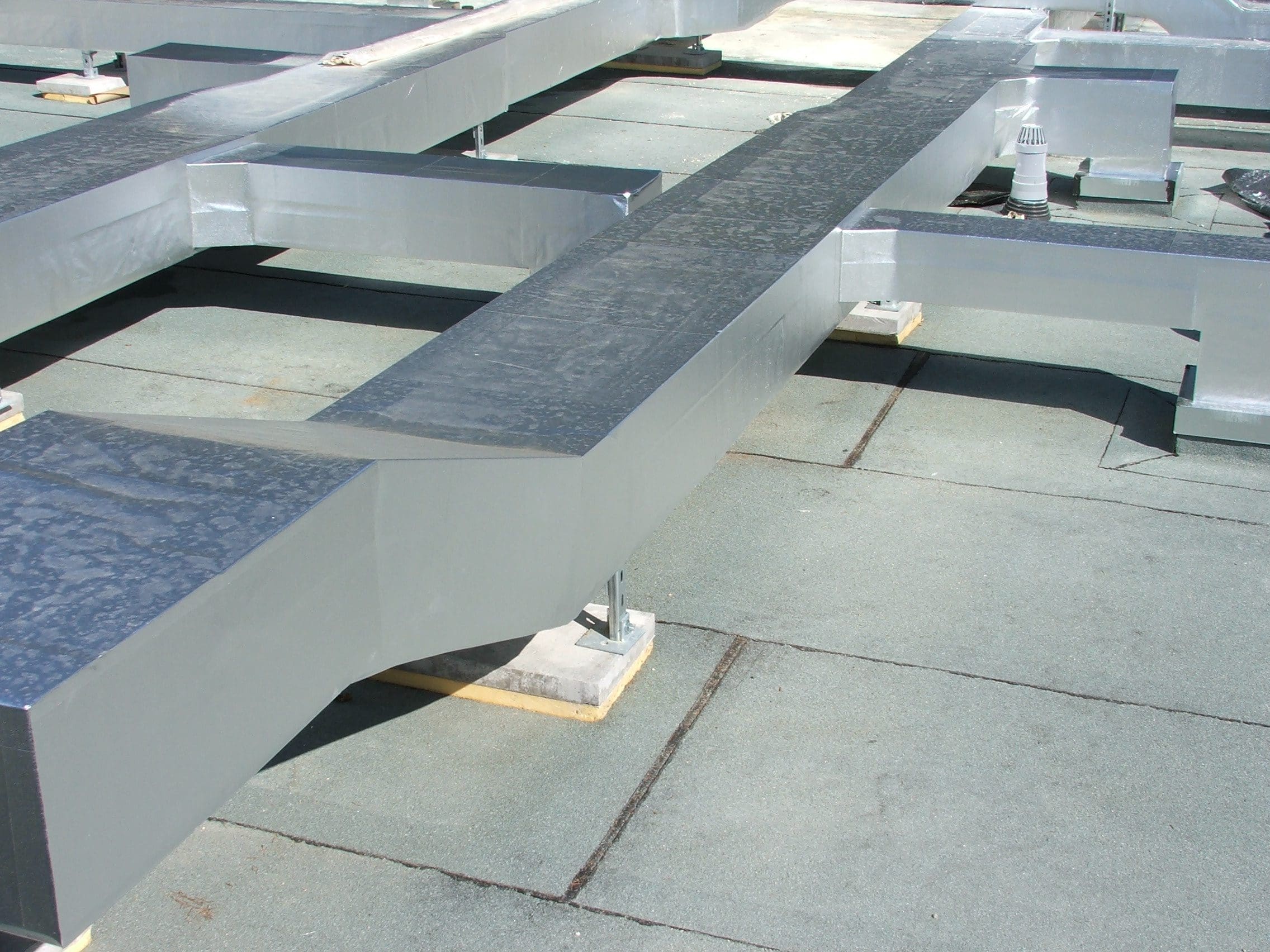
The Benefits of Ceramic Insulation
Ceramic insulation offers a wide range of benefits to industrial businesses. By reducing energy loss and increasing energy efficiency, it can help lower operational costs and reduce environmental impact. It can also help extend the lifespan of equipment by protecting it from extreme temperatures and preventing frost damage and freezing. Additionally, ceramic insulation can improve workplace safety by acting as a protective barrier around hot equipment.
One of the most significant benefits of ceramic insulation is its ability to reduce energy costs. By trapping heat inside and preventing it from escaping, ceramic insulation can help reduce energy loss and improve energy efficiency. This means that you can save money on your energy bills while also reducing your environmental impact.
Another benefit of ceramic insulation is its durability. Unlike traditional insulation materials, such as fibreglass, which can break down over time, ceramic insulation is incredibly durable and can withstand harsh conditions without losing its insulating properties. This means that you can rely on ceramic insulation to protect your equipment and keep it running smoothly for years to come.
Finally, ceramic insulation is also highly versatile. It can be used in a variety of industrial applications, from pipe valves to flanges and other specialist equipment. And because it is easily removable for maintenance purposes, it can be replaced when required or used somewhere else on similar items of plant and equipment.
In Conclusion, Investing in ceramic insulation isn’t just a smart financial decision – it’s also an investment in the efficiency and longevity of your equipment. By using ceramic insulation to regulate temperatures and protect your equipment from extreme conditions, you can reduce energy costs, extend equipment lifespan, and improve workplace safety. And with its durability, versatility, and unique thermal properties, ceramic insulation is the perfect solution for all of your temperature control needs. Whether you’re in the manufacturing, petrochemical, or energy industry, ceramic insulation can help you save money and stay competitive in today’s market. So why wait? Invest in ceramic insulation today and start reaping the benefits!

What You Can Expect from Our Ceramic Insulation Services
Ceramic insulation is a versatile material that has a wide range of applications across various industries. From controlling temperatures to preventing energy loss, ceramic insulation can improve efficiency and reduce costs. In this section, we will explore the many applications of ceramic insulation and how it can benefit your industry.
Petrochemical Industry
The petrochemical industry is one of the most demanding when it comes to temperature control. From pipelines to storage tanks, keeping the correct temperature is vital to ensure the safe transportation and storage of petrochemicals. Ceramic insulation can help control temperature and prevent energy loss, reducing the risk of fires and other accidents. Additionally, ceramic insulation can help protect workers from burns and other injuries caused by hot equipment.
Manufacturing Industry
The manufacturing industry relies on a wide range of machinery and equipment to produce goods. Temperature control is critical to ensure the quality and consistency of these goods. Ceramic insulation can help regulate temperature and prevent energy loss, improving efficiency and reducing operational costs. Additionally, ceramic insulation can help extend the lifespan of equipment by protecting it from extreme temperatures and preventing frost damage and freezing.
Energy Industry
The energy industry relies on a wide range of equipment to produce and transport energy. From pipelines to turbines, temperature control is crucial to ensure the safe and efficient operation of this equipment. Ceramic insulation can help regulate temperature and prevent energy loss, reducing operational costs and improving efficiency. Additionally, ceramic insulation can help protect equipment from extreme temperatures and prevent frost damage and freezing.
Construction Industry
The construction industry relies on a wide range of equipment to complete building projects. Temperature control is critical to ensure the quality and consistency of these projects. Ceramic insulation can help regulate temperature and prevent energy loss, improving efficiency and reducing operational costs. Additionally, ceramic insulation can help extend the lifespan of equipment by protecting it from extreme temperatures and preventing frost damage and freezing.
Other Applications
Ceramic insulation can also be used in a variety of other applications, such as in the automotive industry, where it can help regulate temperature and improve fuel efficiency. It can also be used in the aerospace industry, where it can help protect equipment from extreme temperatures and prevent energy loss.
Ceramic insulation is a highly versatile material that can benefit a wide range of industries. From regulating temperatures to improving efficiency and reducing costs, ceramic insulation is an essential tool for any industrial business looking to stay competitive and efficient in today’s market. So why wait? Invest in ceramic insulation today and start reaping the benefits!

Get In Touch If You Need Ceramic Insulation!
If you require ceramic insulation or any other service we provide, please contact us!
Aptiva Limited was established in 1986, and we have continued to expand and develop our services to the private, commercial and industrial sectors. With our head offices based in Poole, Dorset and our contracting office in Central London, we are ideally positioned to respond to the needs of our numerous clients within these areas.
If you want to know what our clients think of our service, please visit our Google Review page!